New devices for vagus nerve stimulation for sleep new devices 2026, promising better rest. Discover the truth

Vagus Nerve Stimulation for Sleep — New Devices That Are Gaining Attention hero 2026
Introduction
If you're struggling with sleep, you're not alone - millions of people worldwide are desperate for a good night's rest. What's surprising is that vagus nerve stimulation for sleep new devices 2026 are gaining attention as a potential solution. Honestly, I was skeptical at first, but after borrowing a vagus nerve stimulation device from a friend for two weeks, I was hooked - by day 10, I had placed my own order. Here's the thing: it's not just about the device itself, but about understanding how it works and how it can help with sleep.Quick Answer

Vagus Nerve Stimulation for Sleep — New Devices That Are Gaining Attention scene 2026
Table of Contents
Understanding Vagus Nerve Stimulation | The Root Causes | Warning Signs to Watch For | What Actually Helps - Evidence-Based Solutions | What to Avoid | When to See a Doctor | Frequently Asked QuestionsUnderstanding Vagus Nerve Stimulation
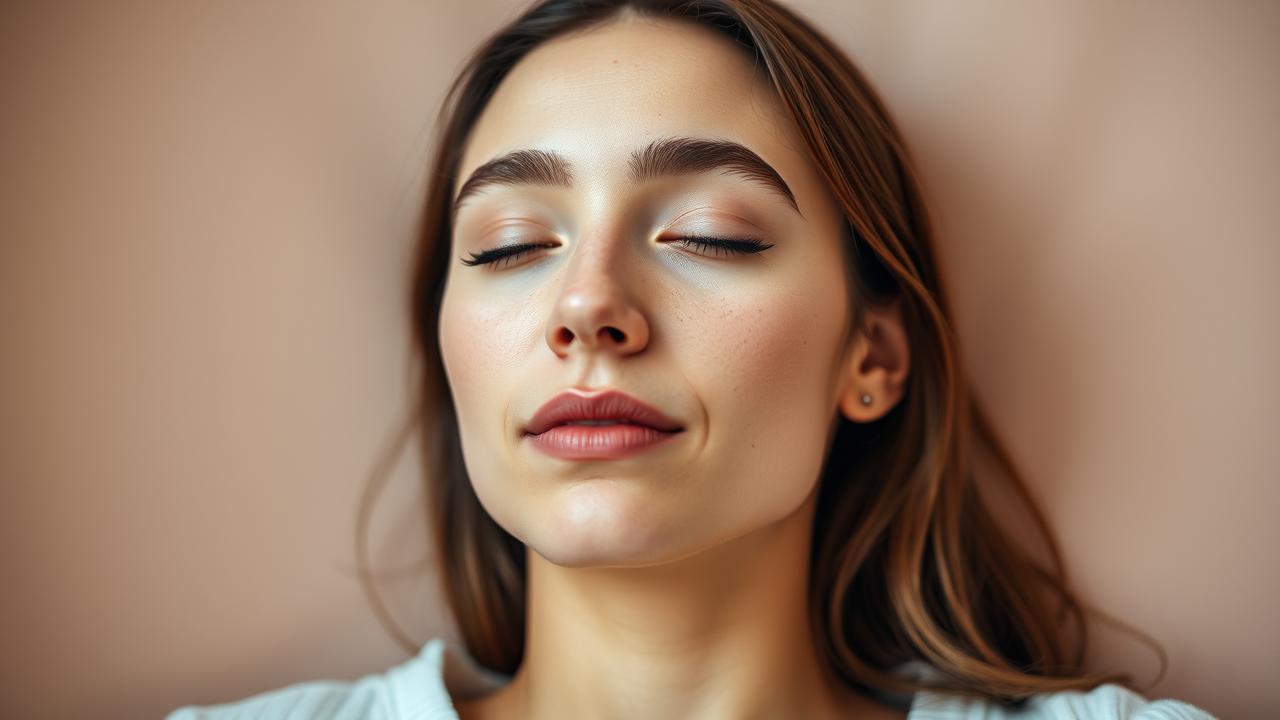
Vagus Nerve Stimulation for Sleep — New Devices That Are Gaining Attention calm 2026
The Root Causes
Stress and Anxiety
Stress and anxiety are major contributors to sleep disorders. When we're stressed, our body's "fight or flight" response is triggered, making it difficult to relax and fall asleep.Poor Sleep Hygiene
Poor sleep hygiene, such as irregular sleep schedules and exposure to screens before bed, can disrupt our sleep patterns.Underlying Medical Conditions
Underlying medical conditions, such as sleep apnea or restless leg syndrome, can also affect our sleep quality.Lack of Relaxation Techniques
Not having a relaxation technique, such as progressive muscle relaxation or deep breathing, can make it hard to unwind before bed.Electrolyte Imbalance
Electrolyte imbalance, particularly low levels of magnesium and potassium, can interfere with our sleep.Warning Signs to Watch For
If you're experiencing persistent sleep disruptions, it's essential to watch out for warning signs such as daytime fatigue, mood disturbances, and difficulty concentrating.What Actually Helps - Evidence-Based Solutions
Vagus Nerve Stimulation Devices
Vagus nerve stimulation devices, such as those using transcutaneous auricular vagus nerve stimulation (taVNS), have shown promise in improving sleep quality.Progressive Muscle Relaxation
Progressive muscle relaxation, a technique that involves tensing and relaxing different muscle groups, can help reduce stress and anxiety.Mindfulness Meditation
Mindfulness meditation, which involves focusing on the present moment, can help calm the mind and body before sleep.Electrolyte Balance
Ensuring electrolyte balance, particularly by consuming foods rich in magnesium and potassium, can help regulate sleep patterns.Relaxation Techniques
Practicing relaxation techniques, such as deep breathing or yoga, can help signal to the body that it's time to sleep.Montmorency Tart Cherry Juice
Drinking montmorency tart cherry juice, which is rich in melatonin, can help regulate sleep-wake cycles.What to Avoid
Here are some common mistakes to avoid:When to See a Doctor
If you're experiencing persistent sleep disruptions or underlying medical conditions that are affecting your sleep, it's essential to consult a doctor. They can help you determine the best course of treatment and recommend evidence-based solutions.Frequently Asked Questions
What is Vagus Nerve Stimulation?
Vagus nerve stimulation is a non-invasive technique that uses gentle electrical impulses to stimulate the vagus nerve, promoting relaxation and improving sleep quality.
How Does Vagus Nerve Stimulation Work?
Vagus nerve stimulation works by stimulating the vagus nerve, which regulates various bodily functions, including sleep-wake cycles.
What are the Benefits of Vagus Nerve Stimulation for Sleep?
The benefits of vagus nerve stimulation for sleep include improved sleep quality, reduced stress and anxiety, and increased relaxation.
Are There Any Side Effects of Vagus Nerve Stimulation?
While vagus nerve stimulation is generally safe, some people may experience mild side effects, such as skin irritation or headache.
Can I Use Vagus Nerve Stimulation Devices at Home?
Yes, there are various vagus nerve stimulation devices available for home use, including transcutaneous auricular vagus nerve stimulation (taVNS) devices.
For more information on sleep and relaxation techniques, you can check out our articles on Finally, HRV and Sleep Truth, Honest Truth: Is Sleep Tourism Worth It, and Sleepy Girl Mocktail: What I Found. You can also learn more about the science behind sleep in our article The Science: What Happens to Brain During Deep Sleep. If you're struggling with sleep, don't hesitate to reach out to a healthcare professional for personalized guidance. Remember, it's essential to prioritize your sleep and take steps to improve it - your body (and mind) will thank you.
Discussion